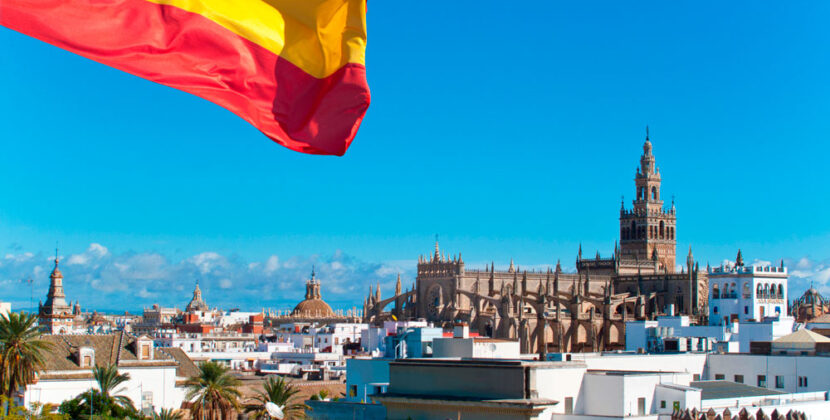
Spain is rethinking its tourism strategy after reaching record-breaking visitor numbers. Despite welcoming nearly 97 million international tourists in 2025, the country is now prioritizing quality over quantity, openly favoring high-spending visitors over budget travelers.
According to Spain’s National Statistics Institute, tourism revenues rose to €134.7 billion in 2025, accounting for 12.6% of the country’s GDP. The total economic impact of tourism reached approximately €260 billion, placing Spain among the world’s top tourism economies.
However, the rapid growth has created mounting challenges. Popular destinations such as Barcelona, along with the Balearic and Canary Islands, face housing shortages, rising rental prices, and growing dissatisfaction among local residents. Short-term rentals and overcrowding have intensified debates around overtourism.
In response, Spanish authorities are promoting a more sustainable tourism model. The new approach aims to attract fewer tourists who spend more, reduce pressure on local infrastructure, and improve residents’ quality of life. This shift aligns with a broader global trend, as destinations worldwide seek long-term sustainability rather than endless growth.
For travelers from Kyrgyzstan and Central Asia, this change may result in higher travel costs but also more refined tourism experiences. Spain is expected to continue investing in premium services, cultural tourism, and high-value travel segments. Analysts suggest that similar policies may soon be adopted by other European destinations, signaling a major transformation in global tourism patterns.
Sorry, no posts matched your criteria.


















Luxury travel and why there’s no guilt pleasure
The serene beauty of the sea beach in the Coxes Bazar
The serene beauty of the sea beach in the Coxes Bazar
The serene beauty of the sea beach in the Coxes Bazar
2017 solo travel accommodation guide is online now