





Japan is preparing for a significant increase in tourist arrivals while addressing the challenges of overtourism. To reduce pressure on major destinations, the government plans to redirect visitors from overcrowded cities to rural and regional areas across the country.
According to the Japan Tourism Agency, the number of regions implementing overtourism mitigation measures will more than double by 2030, increasing from 47 to 100. This initiative is part of a new five-year tourism development plan set to take effect in fiscal year 2026. The broader goal is to prepare Japan to host up to 60 million international tourists annually.
Currently, pilot programs are already in place in heavily visited locations such as Kyoto and Taketomi Island in Okinawa. These areas face challenges including traffic congestion, noise, waste management, and disruptive visitor behavior. Measures include vehicle restrictions, visitor flow controls, and limits on access during peak periods, all developed with input from local communities.
For travelers from Kyrgyzstan and Central Asia, this strategy opens new travel possibilities. Rather than focusing solely on major cities, visitors will be encouraged to explore rural Japan, experience traditional lifestyles, and contribute to local economies outside metropolitan centers.
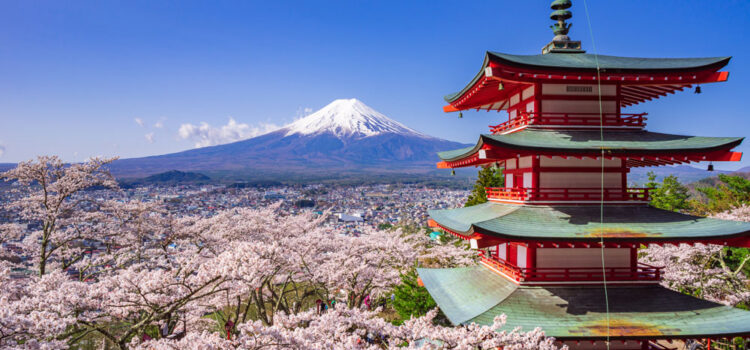
At the same time, the cherry blossom season of 2026 will remain unaffected by the new measures. Early forecasts suggest that sakura will bloom around March 21 in Tokyo and Fukuoka. However, due to the popularity of these locations, travelers are advised to consider lesser-known parks and regional destinations to enjoy hanami without large crowds.