


At the “B5+1: Central Asia – United States” business forum held in Bishkek, Kyrgyzstan proposed creating a unified tourism brand for the region. Erdenet Kasymov, Director of the Tourism Department under the Ministry of Economy and Commerce, presented the Open Central Asia concept, positioning the region as a single tourist destination.

According to Kasymov, tourism integration offers one of the fastest economic returns for Central Asian countries. For travelers from the United States, Europe, and Asia, the region is often perceived as a cohesive space rather than a collection of separate states.

International tour operators show particular interest in combined Silk Road itineraries covering three to five countries. In this context, Open Central Asia is intended as a marketing umbrella that complements national tourism brands rather than replacing them.

Key initiatives presented at the forum include:

  • development of joint tourism products combining Kyrgyzstan’s adventure tourism with historical destinations in neighboring countries;
  • removal of barriers through visa digitalization and seamless regional mobility;
  • introduction of unified service quality standards and expansion of community-based tourism (CBT);
  • coordinated promotion of the region at major global tourism exhibitions.

Kasymov emphasized that the success of the region depends on service quality at every stage of the travel route. At the same time, improving transport connectivity remains a critical condition for increasing tourist flows.

Experts believe that the Open Central Asia initiative could significantly enhance the region’s visibility and competitiveness in the global tourism market.


Russian companies have expressed interest in investing in tourism infrastructure in Kyrgyzstan. On February 3, 2026, the Consul General of the Kyrgyz Republic in Yekaterinburg, Maksat Tentimishov, met with Vyacheslav Shchukin, CEO of the Real Trade group. The meeting was reported by the press service of the Kyrgyz Consulate General.

During the talks, the parties discussed opportunities for attracting investment into tourism infrastructure projects along Issyk-Kul Lake. The Russian entrepreneur highlighted Issyk-Kul’s strong appeal to Russian tourists and noted that interest in the region is expected to grow further due to recent large-scale infrastructure developments.

Shchukin emphasized that Issyk-Kul offers a wide range of tourism opportunities, including beach holidays, winter sports, mountaineering, and eco-tourism. He expressed interest in building either a classic hotel with recreational facilities or a spa hotel format.

Additionally, he indicated plans to involve Baden Family, a well-known Ural-based company operating a network of thermal spa hotels.

Consul General Maksat Tentimishov welcomed the investment initiatives and provided an overview of Kyrgyzstan’s legal framework for attracting foreign investment. He assured that the Kyrgyz government and diplomatic institutions are ready to support the implementation of such projects.

Experts believe that increased foreign investment could further strengthen Issyk-Kul’s position as a key international tourism destination in Central Asia.

Disruptive behavior on board an aircraft can lead to serious financial consequences, as shown by a recent court case involving Aeroflot. The Russian flag carrier successfully recovered 109,000 rubles from a passenger whose actions forced a flight delay at Volgograd Airport.

The incident occurred after the aircraft doors were closed and taxiing had already begun. The passenger refused to fasten his seatbelt, stood up in the aisle, waved his arms, and used offensive language. Despite repeated warnings from the crew, he failed to comply with safety instructions.

Prioritizing passenger safety, the captain decided to abort the departure and return the aircraft to the parking stand. The disruptive passenger was removed from the flight, causing a delay and additional operational costs.

Aeroflot later filed a lawsuit to recover expenses related to the disrupted departure, including ground handling and organizational costs. The court ruled in favor of the airline, ordering the passenger to pay 109,000 rubles, approximately €1,100.

This case is particularly relevant for travelers from Kyrgyzstan, many of whom fly via Russian airports or use Russian carriers for international and transit journeys. It highlights that ignoring crew instructions or engaging in aggressive behavior can result in legal action and substantial fines.

Aviation experts note that airlines are increasingly holding unruly passengers financially accountable. For travelers, this serves as a clear reminder: respecting safety rules on board is not only a matter of discipline but also a way to avoid costly legal consequences.

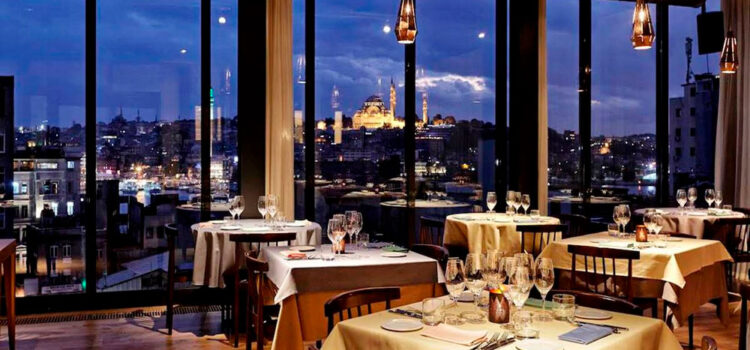
Turkey has introduced new regulations aimed at improving transparency in restaurants and cafés, a move that is particularly relevant for international travelers. Under the new rules, food establishments are officially prohibited from adding charges for services or items that guests did not order.

This includes table service fees, default appetizers, bottled water, and mandatory tips. From now on, tipping is entirely optional and left to the discretion of the customer. In the past, many tourists complained about hidden charges that were often mentioned only in small print on menus or explained after the bill was presented.

For travelers from Kyrgyzstan, this development is especially significant. Turkey is one of the most popular destinations for Kyrgyz tourists, whether for holidays, shopping trips, or transit travel through major cities. Unexpected restaurant charges have long been a common concern in busy tourist areas.

With the new regulations in force, customers are required to pay only for what they have explicitly ordered. If a bill includes unrequested items or services, visitors now have the legal right to dispute those charges. The rules apply equally to locals and foreign tourists.

Industry experts believe that this change will enhance Turkey’s reputation as a tourist-friendly destination by increasing trust and transparency in everyday services. For Kyrgyz travelers, it offers greater clarity and peace of mind when dining out, helping to avoid unpleasant surprises and making travel expenses easier to plan.

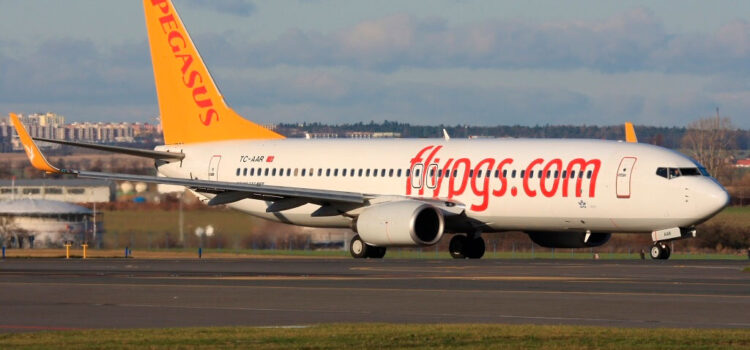
Court rulings involving airlines and passengers are increasingly highlighting the importance of consumer rights in international travel. A recent case in Russia may also serve as an important reference for travelers from Kyrgyzstan and Central Asia. Three tourists from Saint Petersburg successfully sued Pegasus Airlines, receiving compensation totaling nearly one million rubles.

The dispute arose during a scheduled flight on the Dalaman–Istanbul–Saint Petersburg route. The passengers had purchased their tickets well in advance, arrived at the airport on time, completed check-in procedures, and received their boarding passes. However, at the boarding gate they were unexpectedly informed that their reservation had been cancelled and were denied boarding without any clear explanation.

Later, the airline claimed that the booking had been cancelled due to suspected fraud related to the payment for additional baggage. The court rejected this justification, stating that such suspicions do not constitute a lawful reason for unilaterally refusing carriage—especially without prior notice to the passengers.

As a result, the court ordered the airline to refund the ticket prices, pay penalties, fines, and provide compensation for moral damages. The total compensation awarded amounted to nearly one million rubles, roughly equivalent to €10,000.

For travelers from Kyrgyzstan, this case is particularly relevant. Turkey is a key transit and holiday destination for Kyrgyz citizens, with many flights involving connections through Istanbul. The ruling demonstrates that airline internal policies cannot override passenger rights protected by law.

Legal experts emphasize that courts are increasingly siding with passengers in aviation disputes. This trend sends a clear message to travelers from Central Asia: if you have complied with all travel requirements and face an unjustified denial of boarding, legal remedies are available—and they can be effective.

A hotel in Turkey has been fined after refusing to accommodate three male guests in a single room. During the booking process, the hotel stated that male guests were not allowed to stay together, prompting the tourists to file a complaint.

The case was reviewed by the Türkiye Human Rights and Equality Institution (TİHEK). Following an investigation, the authority ruled that the hotel’s actions constituted discrimination and imposed a fine of 150,000 Turkish lira.

According to TİHEK, denying accommodation based on gender violates Turkey’s equality and human rights legislation. Hotels are not permitted to impose internal rules that restrict guests’ rights in contradiction to the law.

The decision is seen as a significant precedent for the tourism sector, highlighting the importance of equal treatment for all travelers and reinforcing legal protections for domestic and international tourists in Turkey.

A Polish tourist, Adam Boreyko, has died while cycling through Russia’s Yakutia region on his way to Oymyakon, known as the Pole of Cold. The journey was part of a pre-planned expedition.

Before setting off, Boreyko registered with Yakutia’s rescue services, received safety instructions, and had his route monitored via GPS. He left Yakutsk on January 25 and reached the settlement of Khandyga a few days later, where he checked into a hotel. The following day, he did not leave his room and was later found deceased.

The official cause of death has not yet been announced, and an investigation is underway. The trip to Yakutia was part of his personal project focused on travel in extreme conditions. Previously, he had crossed the Sahara and climbed in the Himalayas. Around half of the route to Oymyakon still lay ahead.

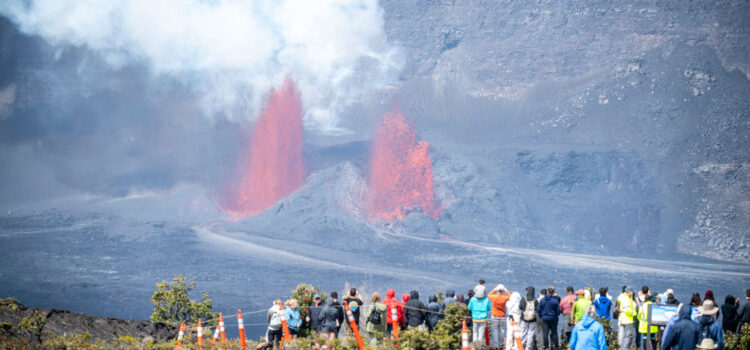
The eruption of Kīlauea has been ongoing for more than a year inside Hawaiʻi Volcanoes National Park in the U.S. state of Hawaii. Volcanic activity occurs in waves, with lava fountains rising from the caldera followed by quieter pauses — yet the volcano never fully goes dormant.

For safety reasons, parts of the park are periodically closed. Rangers closely monitor visitor safety, while scientists track the volcano around the clock. The spectacle is powerful and beautiful, but here nature always sets the rules.

An unusual incident occurred on a Thai AirAsia flight from Bangkok to Hat Yai. More than 20 passengers had already checked in and boarded the shuttle bus to the aircraft, but became stuck inside after the bus stopped at the wrong location and the doors did not open.

Meanwhile, the aircraft was preparing for departure. The situation was resolved by chance when one passenger noticed her friend was missing on board, called her, and discovered she was still trapped on the bus along with other passengers. The plane was held, everyone boarded, and the departure was delayed by around 30 minutes.

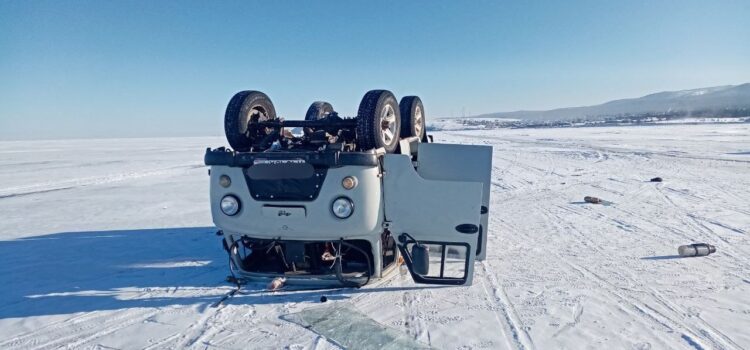
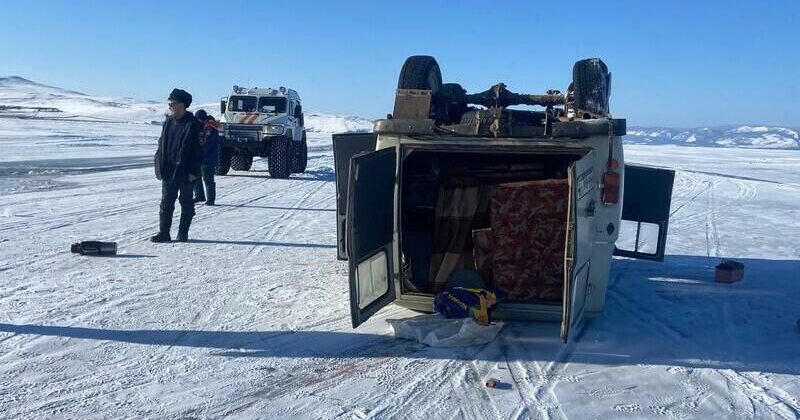
An accident involving foreign tourists occurred on Lake Baikal, according to authorities in Irkutsk Oblast. Police reported that a vehicle carrying tourists entered an ice crevice and overturned.

Preliminary information indicates that a 75-year-old female tourist from China died as a result of the incident. A total of ten tourists from China were in the vehicle, including one person from Taiwan. No official information on the condition of the other passengers has been released so far.

The incident occurred while traveling on the frozen surface of Lake Baikal, a destination popular for winter tourism. During the colder months, guided trips across the ice are offered, but experts emphasize that ice conditions can be unpredictable and require careful monitoring.

Law enforcement authorities are currently investigating the circumstances of the accident. Further details are expected once official assessments are completed.